



Stop Taking Your Stick Apart at the Airport: How the Laxguard Case is Changing Lacrosse Travel
Stop Taking Your Stick Apart at the Airport: How the Laxguard Case is Changing Lacrosse Travel
Stop Taking Your Stick Apart at the Airport: How the Laxguard Case is Changing Lacrosse Travel
By Fortis Sports
Reading Time: 3 minutes
If you play travel lacrosse, you know the airport drill all too well. For instance, you prepare for a winter recruiting tournament, stand at baggage check, and do the unthinkable by unscrewing your stick. Next, you toss the shaft into a generic bag and stuff the head into your carry-on. Meanwhile, you silently pray you don’t lose the tiny screw in transit. In short, it is a frustrating and stressful way to travel. Why are we still doing this?
For example, golfers carry custom hard cases. Similarly, fly fishermen protect their gear with specialized rod tubes. Yet, lacrosse players routinely treat $300 custom sticks like an afterthought.
Thankfully, those days are over. Specifically, local creators engineered the Laxguard Case as a first-of-its-kind travel case for lacrosse sticks right here in Chagrin Falls.
The Problem with Traditional Lacrosse Travel
For years, the lacrosse community accepted a frustrating reality. In fact, traveling with a stick creates a massive headache. If you do not take it apart, you must wrap it in bubble wrap and hope baggage handlers treat it gently. Because airport crews move quickly, disaster often strikes when you arrive. As a result, crushed mesh at the bottom of a gear bag ruins your release point right before a big game.
In addition, parents share this constant travel anxiety. Since you invest heavily in high-performance gear, watching team buses cram bags or airline crews throw equipment feels painful.
Until now, players lacked a standardized, protective travel solution.
Enter the Laxguard Case: Built for the Road
Fortunately, the Laxguard Case eliminates the need to disassemble your stick ever again. Because local experts designed and manufactured this case in Chagrin Falls, it changes everything. Specifically, it allows you to travel safely with a fully assembled stick up to 44.5 inches long.
First, the hard outer shell withstands the brutal impacts of travel. Therefore, whether airline staff throw it onto a carousel or you pack it tightly in an SUV, your gear stays secure. Second, a blow-molded internal tray keeps everything locked perfectly in place. As a result, your custom stringing stays completely intact, maintaining the exact pocket shape you need on game day.
In short, this is not just a luxury item. Instead, it offers a real investment in your game with the same professional protection other athletes enjoy.
Why Fortis Sports Partnered with Laxguard
At Fortis Sports, we obsess over every detail of your equipment. For instance, we spend hours customizing pockets, tweaking shooters, and taping shafts. Therefore, when a local Chagrin Falls company solved the biggest headache in lacrosse travel, we knew we had to team up.
As a result, we proudly offer the Laxguard Case exclusively to our players and families. In fact, it fits right into our mission of bringing elite players the absolute best gear.
Ultimately, do not let travel ruin your gear or your release point. Visit us in Chagrin Falls today or shop online to protect your investment!
Related Articles


Midwest Fall Lacrosse Tournaments: Schedule & Fortis Sightings
Midwest Fall Lacrosse Tournaments: Schedule & Fortis Sightings
Midwest Fall Lacrosse Tournaments: Schedule & Fortis Sightings
By Fortis Sports
Reading Time: 3.5 minutes
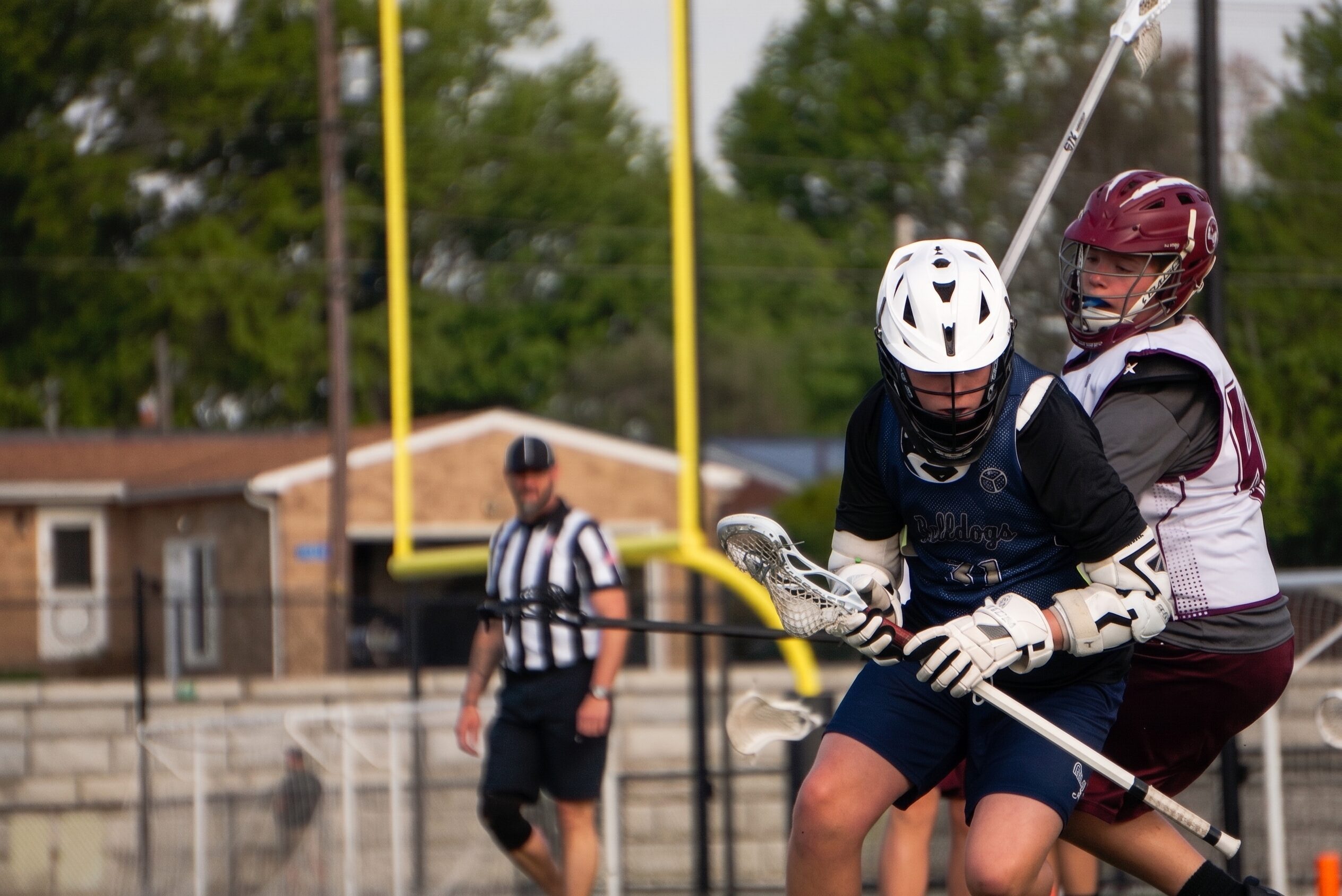
Midwest fall lacrosse tournaments offer athletes an incredible opportunity to build grit, speed, and team chemistry during the off-season. While summer showcases receive extensive recruiting attention, the autumn and winter tournament circuit builds the tactical IQ that defines championship programs. Consequently, elite clubs across Northeast Ohio are filling their calendars with fast-paced weekend events. At Fortis Sports, our team tracks these emerging regional opportunities while helping local players prepare for top-tier competition.
Furthermore, we have highlighted a small handful of popular regional stops below. However, these featured events represent just a fraction of the exciting tournaments popping up across the Midwest this fall.
Premier Regional Showdowns to Watch This Season
- Graveyard Fall Tournament (Canton, OH): An absolute staple for Northeast Ohio programs held at the Hall of Fame Village. The 2026 dates feature the Girls divisions on October 31st – November 1st and the Boys divisions on November 7th – 8th. Additionally, Fortis Sports will definitely be attending on-site, so look out for our crew on the sidelines!
- Team Illinois Fall Lax Invitational (Chicago, IL): This standout weekend in Chicagoland brings together elite club programs from across the Great Lakes. Therefore, players experience high-tempo exposure against top regional talent.
- Battle in the Dells (Wisconsin Dells, WI): This destination event combines fierce competition from Wisconsin, Minnesota, and Illinois with a fun weekend away for families.
- Other Notable Midwest Stops: Regional programs should also explore the Autumn Gold Tournament, the Top Draw & Windy City Showcases in Illinois, and regional indoor field series across Indiana and Michigan.
The Explosive Rise of 6v6 Fast Lacrosse
Similarly, you may have noticed more 6v6 National tournaments popping up in sports hubs like Dayton and Nashville. This explosive growth stems directly from lacrosse’s official inclusion in the upcoming 2028 Los Angeles Olympic Games. Because the Olympic discipline utilizes the fast-paced “Sixes” format, national organizations are launching 6v6 circuits to prepare young athletes today.
In addition, the 6v6 format features a strict 30-second shot clock, smaller fields, no long poles, and instant goalie clears. As a result, athletes develop rapid decision-making skills, elite stick control, and two-way transition play under tight pressure. Players across the country are already diving into these quick-strike events during the off-season months.
Get Tournament-Ready with Fortis Sports
Navigating fast-paced small-sided games requires elite conditioning, sharp IQ, and gear that won’t fail when the weather drops. Before heading out to Canton for the Graveyard Tournament or hitting the road for regional travel, visit our retail store to gear up properly.
While visiting, be sure to explore our specialized Fortis Coaches Collective program. This initiative connects local players, parents, and coaches with expert training resources, tactical insight, and gear guidance tailored for off-season tournament success.
Visit us at our Chagrin Falls store today or check out the Fortis Coaches Collective online to prepare your athlete for Fall Ball!
Related Articles

Optic Yellow Lacrosse Balls: The Science Driving the Future of the Game
Optic Yellow Lacrosse Balls: The Science Driving the Future of the Game
Optic Yellow Lacrosse Balls: The Science Driving the Future of the Game
By Fortis Sports
Reading Time: 3 minutes
Lacrosse is evolving rapidly through modern sports science. Optic yellow lacrosse balls are officially taking over the field. Previously, crisp white balls entirely dominated the men’s game. However, top leagues are now embracing this bold color shift. In fact, the NCAA recently mandated fluorescent yellow as the new official standard for men’s lacrosse. Consequently, players and coaches are analyzing the data behind the trend. Are these neon spheres simply a fad? Or do they provide a measurable competitive edge? Today, we will explore the optic science and strict safety standards driving this equipment revolution.
The Optic Science of Visibility
Visibility dictates reaction time in high-speed sports. Furthermore, human eyes process colors differently based on light waves. Specifically, the human eye is most sensitive to the 555-nanometer wavelength. This exact wavelength corresponds perfectly to optic yellow and fluorescent hues. Therefore, these colors naturally capture our visual attention faster than standard white. White balls often vanish against overcast skies or bright stadium lights. Conversely, optic yellow pops vividly against the netting, grass, and uniforms. Because of this, players track passes much faster. Moreover, goalies can instantly recognize the spin and trajectory of incoming shots.
This quick visual demonstrates exactly why the bright optic yellow color dramatically improves ball tracking on the field compared to traditional options.
NCAA Mandates and NOCSAE Standards
Player safety remains our ultimate priority at Fortis Sports. Importantly, modern colored balls must meet strict official regulations. Legal balls carry the NOCSAE stamp and SEI certification. This guarantees they meet exact weight, bounce, and density requirements. Specifically, the NCAA cited increased visibility for athletes and officials as the driving force behind their new optic yellow mandate. Better visibility translates directly to fewer unexpected impacts. When athletes see the ball clearly, they avoid dangerous collisions. Additionally, premium rubber construction prevents the ball from getting overly slick. Ultimately, scientifically backed gear builds safer, better athletes.
The Pearl Partnership Advantage
Transitioning your program is incredibly straightforward with the right partner. Fortunately, Fortis Sports is proudly partnered with Pearl. Pearl manufactures the premier lacrosse balls in the industry. Specifically, their balls never grease and maintain their grip perfectly. Furthermore, we keep the official Pearl X Optic Yellow balls fully stocked year-round. Therefore, you never have to worry about mid-season shortages as leagues adjust to the new rules. Luckily, these exact balls are the official choice of the PLL, WLL, and NCAA Championships.
To elevate your team’s performance, stop into Fortis Sports in Chagrin Falls today to browse our full selection of lacrosse balls!
Related Articles
Lacrosse Mid-Summer Restring: Why It's Crucial for Ohio Weather
Lacrosse Mid-Summer Restring: Why It's Crucial for Surviving Ohio Weather
Lacrosse Mid-Summer Restring: Why It’s Crucial for Surviving Ohio Weather
By Fortis Sports
Reading Time: 3 minutes
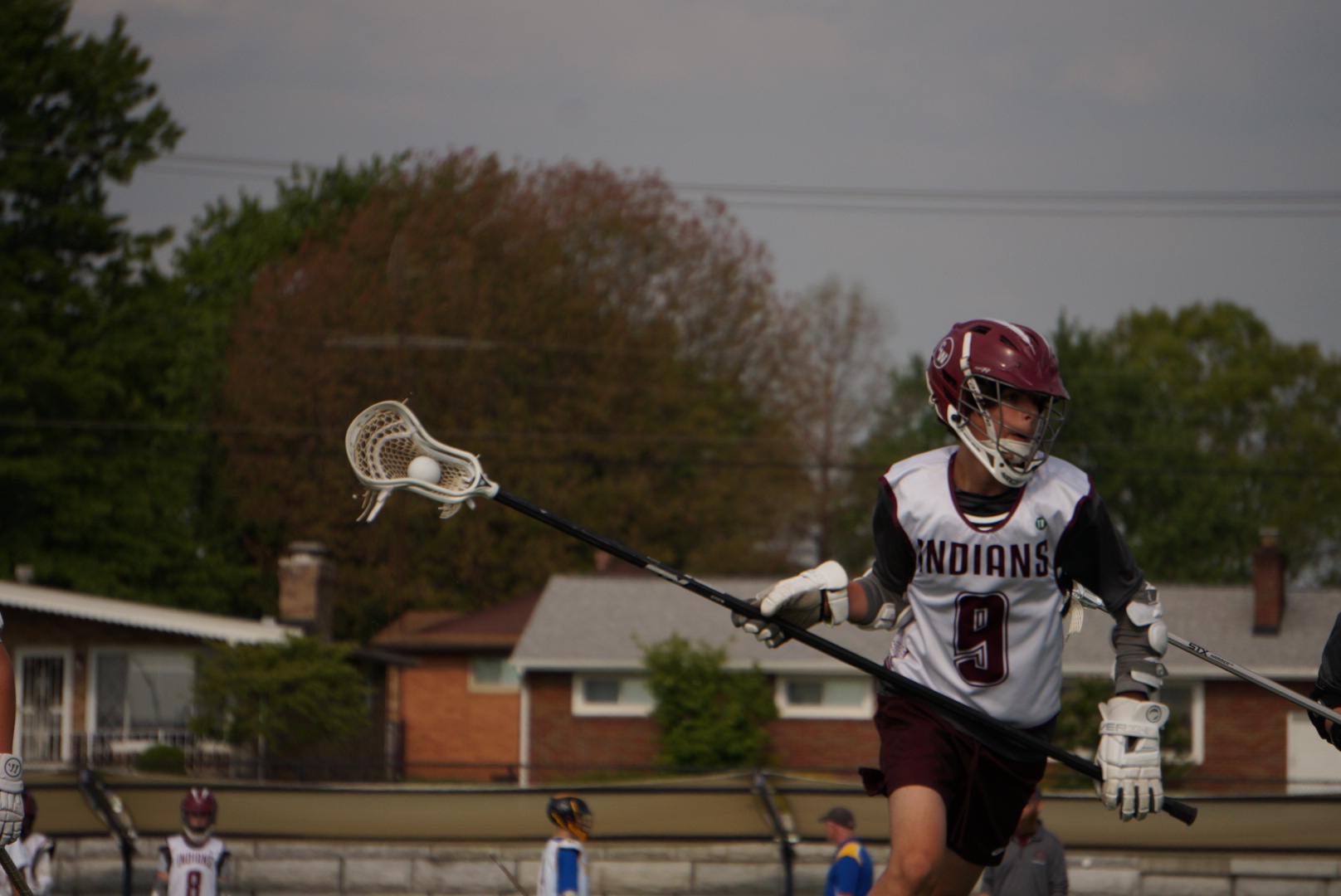
Ohio weather absolutely destroys your pocket. You start the season in freezing, wet mud in March. Then, you transition to 90-degree baked turf by late June. Naturally, this brutal cycle bags out your mesh and widens your channel. Suddenly, you are sailing passes right over your attackman’s head. Therefore, a lacrosse mid-summer restring becomes completely necessary to maintain your consistency.
The Mesh War: StringKing vs. Armor Mesh
Since you need a fresh pocket, it is the perfect time to upgrade your materials. Specifically, we constantly see players debating between traditional performance mesh and the new chain-link styles. At Fortis Sports, we highly recommend StringKing Type 5.
Twistex Technology ensures it resists bagging in both rain and heat. Furthermore, it delivers an incredibly consistent release because of its tighter construction. Alternatively, Armor Mesh uses a unique, flexible chain-link structure. As a result, it hugs the ball perfectly and provides exceptional hold over time. However, StringKing Type 5 remains our preferred choice for sheer durability against the unpredictable Ohio elements.
You can grab StringKing Type 5s Mesh or Armor Pegasus Mesh directly from our online shop.
Choosing Your Perfect Pocket Placement
Now that you have chosen your mesh, you must decide how to string it. Let’s break down the three main pocket types for your current stick or a brand new unstrung head.
- First, a low pocket works great for one-handed cradling. Attackmen love it for quick, vertical releases.
- Second, a mid pocket serves as the gold standard for versatility. Midfielders rely on it for a perfect balance of hold and passing velocity.
- Third, a high pocket offers maximum hold for ground balls. Defensemen and long poles prefer this setup to manage steep shooting angles.
Ultimately, choosing the right pocket completely dictates your entire game. Moreover, pairing a fresh setup with elite mesh guarantees top-tier performance on the field.
Remember, a fresh piece of mesh is only as good as the stringer who installs it. We know exactly how to combat the changing weather.
Visit us in Chagrin Falls today, bring your unstrung head, and let our team dial in your perfect pocket!
Related Articles

Lacrosse Hacky Sack Trend: The Ultimate Pre-Game Ritual in Ohio
Lacrosse Hacky Sack Trend: The Ultimate Pre-Game Ritual in Ohio
Lacrosse Hacky Sack Trend: The Ultimate Pre-Game Ritual in Ohio
By Fortis Sports
Reading Time: 3 minutes
If you walked the fields at Hudson Lax Fest or Big Dog Lacrosse tournaments recently, you noticed a massive shift. The lacrosse hacky sack trend is officially taking over sidelines across Northeast Ohio. Furthermore, players are ditching traditional warmups for a classic 90s pastime. But why is “sack” suddenly everywhere? Let’s break down why this simple game is the ultimate pre-game ritual.
The Secret to Elite Footwork
Lacrosse is undeniably a game of elite hand-eye coordination. However, footwork is what truly separates good players from great ones. Consequently, your feet dictate your success on the turf. Whether you dodge from X or step to a bounce shot, you need quick feet.
Playing sack forces you to engage fast-twitch muscle fibers. Additionally, it wakes up your foot-eye coordination before you even touch your stick. As a result, it gets the blood flowing in a dynamic, low-impact way. Therefore, you step onto the field physically primed for the first whistle.
The Mental Reset Factor
Tournament days are incredibly grueling. By the time you reach your third game, physical and mental fatigue inevitably sets in. Fortunately, the sack circle acts as a powerful mental reset.
The game requires intense, hyper-focused attention on a tiny, unpredictable object. Consequently, this naturally clears pre-game jitters. In fact, it forces players into a state of flow right before they hit the field. Ultimately, a focused mind leads to fewer unforced errors during the actual game.
Building Sideline Chemistry
You simply cannot play hacky sack alone. The game inherently requires communication, teamwork, and immense trust. Furthermore, keeping the rally alive builds a localized, positive energy on the sideline.
This energy translates directly to the game. When the squad is loose and laughing together in the circle, they play better together. Therefore, a quick game of sack is the best team-building exercise available before a big tournament.
Free Alternative Warmup Games
If your team does not have a hacky sack handy, do not worry. You can still reap the exact same footwork and team-bonding benefits for free. For instance, the classic circle game “Ninja” is incredibly popular on sidelines. It requires zero equipment and strictly tests your reaction time and explosive movement.
Alternatively, try a game of “Stick-Only Keep-Up.” Have your team circle up and use their lacrosse sticks to tap a single ball in the air. Consequently, this builds the exact same communication and hand-eye coordination while actively getting your pocket dialed in for the game.
Gear Up For the Summer Circuit
While we do not sell hacky sacks at Fortis Sports, we absolutely understand the importance of being tournament-ready. Transitioning into the summer circuit requires peak performance from your equipment. Therefore, making sure your setup is game-ready is our top priority.
Whether you need an emergency stringing job for the Ohio Lacrosse Festival or want to upgrade to a lightweight carbon shaft, we have you covered.
Visit us in Chagrin Falls today to get your stick perfectly dialed in before your next tournament!
Related Articles
The "May Madness" Blueprint: Modern Women's Lacrosse Gear Winning the 2026 ACC Championship
The "May Madness" Blueprint: Modern Women's Lacrosse Gear Winning the 2026 ACC Championship
The “May Madness” Blueprint: Modern Women’s Lacrosse Gear Winning the 2026 ACC Championship
By Fortis Sports
Reading Time: 4 minutes
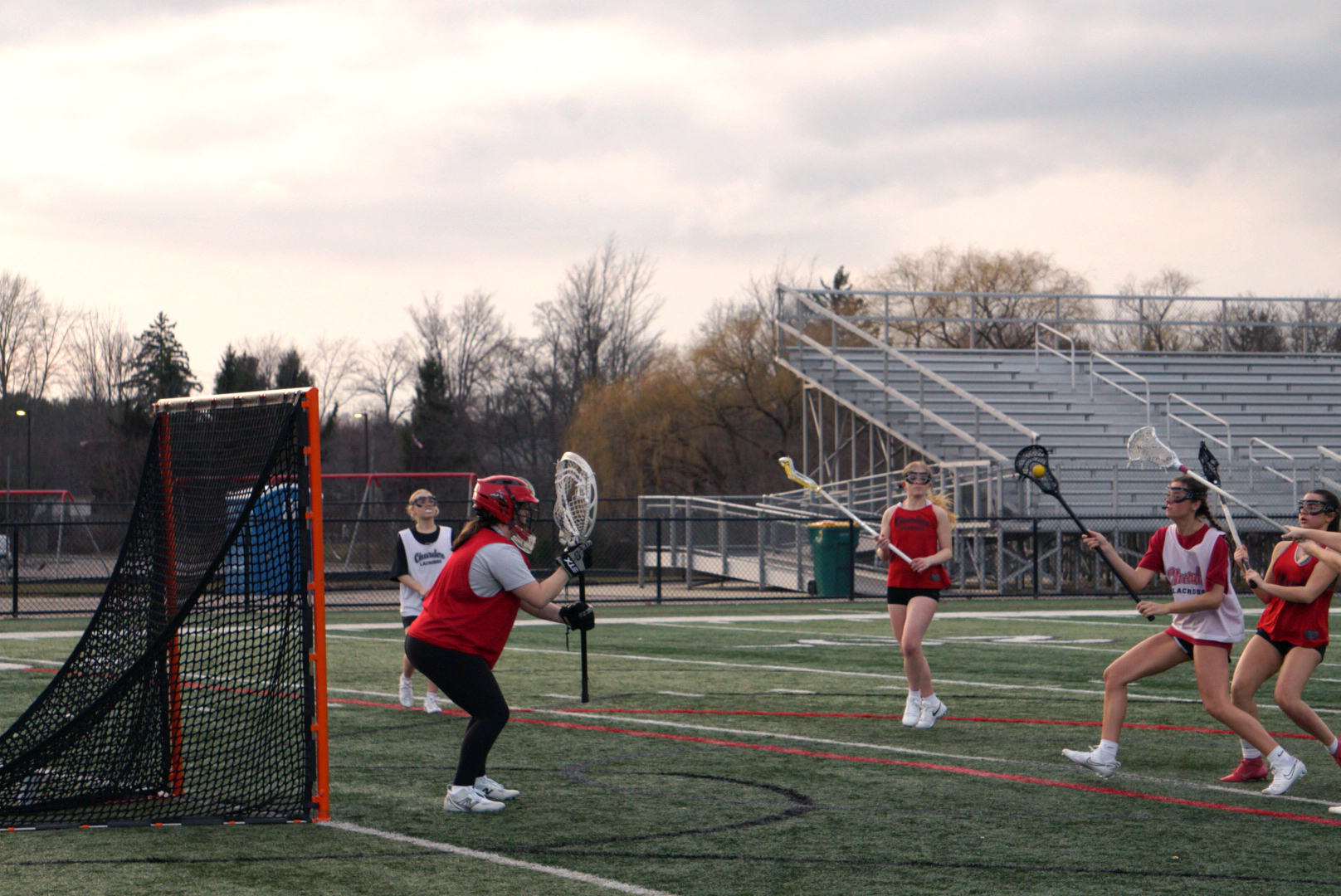
Did you watch the ACC Championship this past weekend? Consequently, you saw why the Atlantic Coast Conference dominates the sport. The #1 North Carolina Tar Heels captured another title. Specifically, they held off a fierce #11 Stanford Cardinal squad, 12-8. Ultimately, this game showcased the absolute best modern women’s lacrosse gear and elite strategy.
Beyond the scoreboard, this game provided a masterclass in gameplay. Furthermore, we saw crucial tactical coaching adjustments. Therefore, here is exactly what we learned from the ACC Finals. Additionally, we will explain what this means for you heading into “May Madness.”
The Superstars & Their Complete Sticks
If you want strong role models, this game featured the best. First, let’s examine who stood out and why they dominate. Similarly, we will look at the complete sticks they trust.
Chloe Humphrey (Attacker, UNC): First, she is the reigning Tewaaraton winner. Furthermore, she is a dominant force for the Tar Heels. She shoots smart, changing planes perfectly on free-position lasers. For instance, she relies on the STX Aria Pro Complete Stick. As a result, she gets an ultra-quick, deceptive release. Specifically, the Aria Pro offers a maximized sweet spot and lightweight profile. Therefore, she can perfectly disguise her shots.
Ava Arceri (Attacker/Midfielder, Stanford): Similarly, Arceri led Stanford’s offense through sheer determination. When Stanford fell behind early, she never panicked. Instead, she used incredible footwork to spark the Cardinal offense. Consequently, she needs a stick with maximum hold. That is exactly where the ECD Infinity Pro Complete Stick shines. Paired with ECD’s Venom mesh, this stick allows aggressive dodging. Ultimately, players can cut through traffic without losing the ball.
Sam Forrest (Defender, UNC): Meanwhile, the reigning National Defender of the Year anchored UNC’s defense. She suffocated Stanford in the second half. Moreover, she proves that footwork and positioning beat reckless stick-checking. Therefore, elite defenders need stiffer, wider profiles. Specifically, they must block passes and secure ground balls. Thus, top defenders gravitate toward the Maverik Ascent Pro or StringKing Complete 2 Pro Defense. Consequently, these sticks provide elite structural rigidity for physical play.
Youth Coaching Takeaways from the ACC Finals
Weathering the Stoppages: The game became incredibly choppy in the second half. However, UNC maintained their momentum despite multiple fouls.
Coaching Takeaway: Always practice “restart” scenarios. Specifically, teach your girls to stay mentally engaged.
Free-Position Efficiency: Additionally, UNC pulled away using 8-meter shots.
Coaching Takeaway: Free positions require intense strategy. Therefore, teach hesitation steps and shooting low on the run.
Team Defense Over Individual Defense: Initially, Stanford jumped to an early lead. In response, UNC crashed the 8-meter effectively. Ultimately, this made clean looks impossible for Stanford.
Fortis Sports’ 2026 National Championship Prediction
Just for fun, we are officially predicting the champion!
The Prediction: North Carolina over Northwestern (14-12) Undoubtedly, we expect a rematch of the 2025 National Title game. First, Northwestern’s high-flying offense will steamroll their bracket. However, UNC’s dominance on the draw control is unmatched. Furthermore, the sheer firepower of Chloe Humphrey will overwhelm opponents. As a result, UNC goes back-to-back! Naturally, remember you heard it here at Fortis Sports first.
Upgrade Your Setup at Fortis Sports
Do you notice a trend among these elite players? Specifically, they all use top-of-the-line complete sticks. Obviously, having the right weapon is crucial before Ohio summer tournaments begin.
That is exactly why we stock premium women’s lacrosse complete sticks right now. Specifically, we proudly carry the STX Aria Pro, Maverik, StringKing, and ECD lines.
Visit us in Chagrin Falls today to try it yourself and dominate your summer tournaments!
Related Articles

Lacrosse Sixes Format: Your Guide to Olympic Lax in Ohio
Lacrosse Sixes Format: Your Guide to Olympic Lax in Ohio
Lacrosse Sixes Format: Your Guide to Olympic Lax in Ohio
By Fortis Sports
Reading Time: 4 minutes
The buzz in the lacrosse world is absolutely real. Lacrosse is returning to the world’s biggest sporting stage in the LA 2028 Olympics. Furthermore, it is not the traditional field game you are used to watching; it is the incredibly fast-paced Lacrosse Sixes format. As World Lacrosse highlights, this discipline represents the “future of the sport” regarding global growth. If you are an athlete in Northeast Ohio, it is time to get familiar with this distinct, thrilling version of the game.
Breaking Down the Rules of the Lacrosse Sixes Format
It is best to think of Sixes as a hybrid between indoor box lacrosse and the traditional outdoor field game. Consequently, many of the specialized rules you are used to have been removed in favor of speed and continuous play. Firstly, the field is much smaller (70×36 meters). Instead of 10 players, there are only six players per side (five field players and one goalie). Perhaps the most dramatic change is the 30-second shot clock. If you do not register a shot on goal within that time, you lose possession. Furthermore, there are no face-offs after goals; the goalie simply restarts play immediately.
Why Specialization is Dead in Sixes
Unlike traditional field lacrosse, specialization is practically impossible in this environment. In the Lacrosse Sixes format, long poles (D-poles) are not permitted. Everyone plays offense, and everyone plays defense. This means a goalie’s ability to clear the ball accurately and quickly is paramount. Conversely, an attackman must have the conditioning to play relentless lock-down defense immediately following a turnover. If you do not possess an elite “two-way” skill set, you will be exposed. Therefore, this format forces players to be complete athletes. Lighting-fast decision-making is more important than pure physicality in this version of the game.
The Gear You Need for Sixes Speed
Because the game moves so much faster, your equipment must adapt to this increased pace. Players in Sixes typically wear lighter pads, similar to box lacrosse, to maximize agility and endurance. Most importantly, having a stick pocket that offers a lightning-quick, accurate release is essential. Heavy, bagged-out mesh or an illegal pocket will instantly hurt your team in a 30-second offensive possession. You need your stick dialed in specifically for control and velocity.
If your stick needs an upgrade for the summer tournament season, consider our Custom Equipment Stringing services. We can tailor your pocket to handle the speed demands of this Olympic style of play.
Preparing for the Future in Northeast Ohio
Here in Northeast Ohio, summer tournaments are already adopting the Sixes style. This is an exciting shift. However, it requires a significant mindset change. If you have slow feet or lack confidence with your off-hand, you must prioritize training those weaknesses. We believe this format will produce better, more versatile lacrosse players. Furthermore, colleges are already scouting athletes who thrive in high-pressure, transition-heavy environments. The future of lacrosse in Ohio is bright, and it is going to be incredibly fast.
Visit our Chagrin Falls storefront today to try out the newest, lightest sticks in the game and get Olympic ready!
Related Articles
Youth Lacrosse Gear Guide: What First-Time Parents Actually Need
Youth Lacrosse Gear Guide: What First-Time Parents Actually Need

By Fortis Sports | Read Time: 4 Minutes
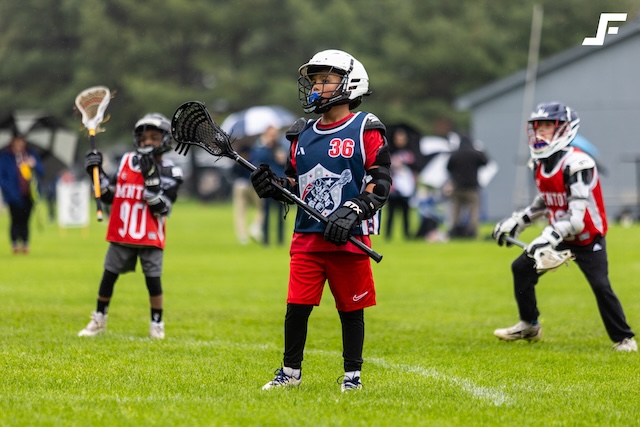
Welcome to the fastest game on two feet! If your child is starting their first season, you probably need a youth lacrosse gear guide. Walking into a sporting goods store is incredibly overwhelming. Therefore, many parents make a costly mistake. They overspend on varsity equipment for a beginner. Alternatively, they buy cheap gear that ruins the experience.
Specifically, at Fortis Sports, we believe in getting it right. Furthermore, we operate from our historic 1873 shop in Chagrin Falls. Consequently, we see exactly what local players need to succeed.
Fit and Safety Over Flash
When starting out, mobility and safety are your only priorities. A 3rd grader does not need a $200 carbon-fiber shaft. Instead, they need pads that stay put. Therefore, here are the beginner lines we trust most.
The Stick: The Most Important Tool
First, the biggest frustration is a stick that cannot catch. Therefore, avoid big-box store sticks with stiff “tennis racket” mesh. Specifically, we love the Maverik Charger Complete Stick. It features a wider face shape for easy catching. Additionally, it has a narrow throat for better control.
Plus, it comes strung with semi-soft mesh. As a result, shooting accuracy improves instantly. Furthermore, even a beginner stick needs a great pocket. Bring it to us for our Custom Lacrosse Stringing Service. We will adjust the tension so the ball naturally finds the sweet spot.
Protective Padding: Safety and Mobility
Next, youth pads must absorb impact. However, they must also allow free movement. For this reason, the STX Stallion 75 line is phenomenal. Specifically, the shoulder pads meet the strict new NOCSAE ND200 chest protection standard. Consequently, this reduces the risk of impact-related heart injuries.
We also highly recommend the Maverik Charger EKG line. Similarly, it meets strict safety standards. Furthermore, it features a floating sternum plate. Therefore, your child gets maximum protection without feeling trapped in a turtle shell.
The Helmet: Do Not Compromise
Ultimately, a high-quality helmet is non-negotiable. First, the Cascade CS-R is specifically designed for kids under 12. It uses a one-piece shell to disperse collision energy safely.
Alternatively, the STX Rival Jr offers reliable impact absorption. Additionally, it provides incredible ventilation for warm spring games. Therefore, you get elite protection at a budget-friendly price.
The Face-to-Face Advantage
Finally, you can read sizing charts online all day. However, nothing beats an in-person fitting. A loose helmet is incredibly dangerous. Similarly, oversized gloves will ruin your child’s stick skills.
Therefore, skip the guesswork entirely. Visit our family at 5 N. Franklin St. in Chagrin Falls. We will size your player perfectly.
Visit us in Chagrin Falls today to get your beginner safely fitted and ready for the season!
Related Articles

The 2026 "Crease Rule" Shakeup: What Every Ohio Defenseman Needs to Know
The 2026 "Crease Rule" Shakeup: What Every Ohio Defenseman Needs to Know
By Fortis Sports
Reading Time: 3 minutes
If you’ve spent any time at the fields in Chagrin Falls, Hudson, or Upper Arlington lately, you know that Ohio lacrosse is getting faster, stronger, and more technical every year. But as we head into the 2026 season, the biggest challenge isn’t just a faster opponent—it’s a major shift in how the game is officiated.
The NFHS (National Federation of State High School Associations) has dropped the hammer on a few new rules, and if you’re a defensive player or a coach, the new Crease Rule is about to change your Saturday afternoons.
At Fortis Sports, we live for the finesse, strategy, and precision of the game. Here is the breakdown of what’s changing, why it’s happening, and how you can stay out of the penalty box.
1. The Big Change: No More “Emergency Goalie”
For years, when a goalie was caught out of position or a shot was coming toward an open net, it was a common (and brave) instinct for a D-pole to step into the crease and play human shield.
Starting in 2026, that is a massive NO. The new rule (4-18-4) states that no defensive player—except for a properly equipped goalkeeper—can enter their own crease with the intent to block a shot or act as a goalie.
The Penalty: This isn’t just a “my bad” technical foul. It is now a Personal Foul for Illegal Equipment. It is non-releasable. You will be sitting in the box for at least a minute while your team plays man-down, no matter how many goals the other team scores.
2. Why the Change?
Safety is the name of the game. The NFHS and OHSAA are prioritizing “risk minimization.” A defenseman in a standard helmet and pads isn’t equipped to take a 90mph riser to the chest like a goalie is. By making the penalty severe, the rules committee is forcing players to stay out of the line of fire.
3. The “Goalie Reset” is Gone
It’s not just the poles who have to adjust. Goalies used to have a “grace period” of five seconds to get back into the crease on a restart. That’s gone, too. Now, goalies are treated just like field players. If you’re out of the crease for a ground ball or an equipment issue when the whistle blows, the clock is ticking. You have to be ready to play where you stand.
4. How to Adapt (The Fortis Way)
At Fortis, we believe true strength is built on the “grind” of practice. Here is how you prepare for these changes:
Slide with Purpose: Since you can’t bail out the goalie in the crease anymore, your defensive communication has to be louder and your slides faster. You have to stop the shot before it becomes a 1-on-1 with an empty net.
Precision Gear: With the game getting tighter, your stick becomes your greatest tool. Whether it’s a long pole or a goalie stick, the “engineering” of your pocket matters. You need a stick that clears accurately and retains the ball under pressure.
Helmet Discipline: Another small 2026 change—if your helmet comes off, it’s a technical foul. Make sure your chin straps are dialed in and your fit is perfect.
Unleash Greatness This Spring
Rules change, but the goal remains the same: Dominance. Whether you need your head re-strung for that perfect high-pocket release or you’re looking to gear up with a custom-fitted Cascade helmet that actually stays on your head, come see us in Chagrin Falls.
We aren’t just a gear shop; we’re your partners in the game. Let’s make sure 2026 is the year your defense becomes a wall—within the rules.